
Managing Collections
Here are only some of the practical ‘how to’ resources to assist societies in managing collections – from acquisition through to access. Objects collected by historical societies may be of state/territory or national heritage significance. These items can range from manuscripts to furniture to born-digital documents, and historical societies may also be the custodians of heritage buildings and sites.
The guides include information on:
Collecting the local history of your area
Carrying out significance assessments
Cataloguing for discoverability
Providing access to collections.
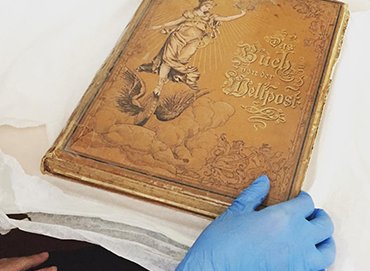
How to: Collect the history of your area
Don’t know where to start? How to: Collect the History of your area suggests some materials to collect that illustrate the story of your local area. Use this as a starting point for your collections.
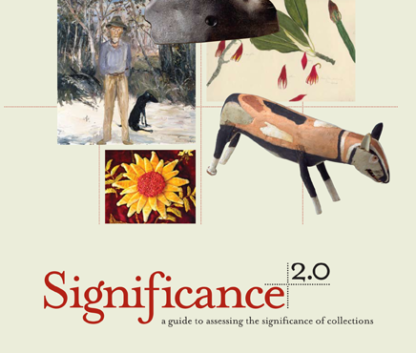
Significance 2.0
Significance 2.0 outlines the theory and practice of the concept of significance in collection management. Significance 2.0 was developed by the Collections Council of Australia as a guide to assessing the significance of collections. Written by Roselyn Russell and Kylie Winkworth it outlines collection standards across the GLAM sector and other collecting institutions. Not only item-by-item assessments, it also includes guidance on whole/part collection and cross-collection significance.

The Small Museums Cataloguing Manual
The Small Museums Cataloguing Manual (4th edition) is the industry-standard reference for community museums or small collection organisations wishing to start or develop their collections. Any historical society entrusted with objects, photographs, documents or other historical materials can benefit from learning about cataloguing standards and managing digital records.
Digital Access to Collections
This guide presents a simplified approach to making collections accessible digitally, by describing the process in four steps: Plan, Prepare, Digitise, Share.
You can also find digitisation case studies of small to medium size memory institutions – including historical societies – here.
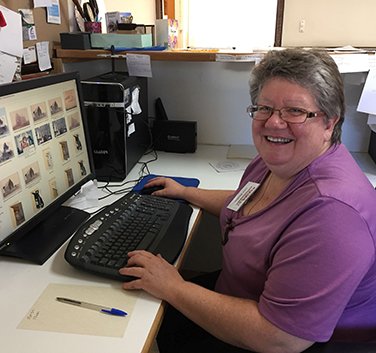
Making Collections Acessible
This report on collections and access is designed to assist historical societies in three key areas associated with the development of a useable digital collection: cataloguing; creating a digital collection; access and discoverability.
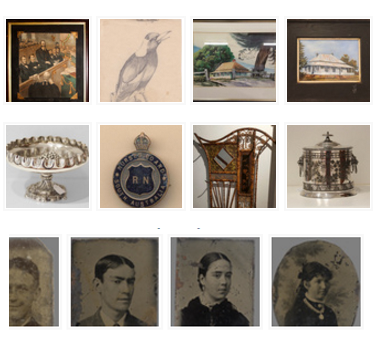
Australian Community History Collections on eHive
The eHive Community History Collections brings together a range of collections held by historical societies, community heritage groups and keeping places across Australia. These collections are a vital link in telling the full story of our heritage and contain locally significant and nationally relevant materials. From aviation and nautical equipment to rare photographs, documents and textiles the evidence of the past is made available and is a foundation upon which future people can build.
The above are only starting points. Your own keyword searches will assist, or contact FAHS.